
Sexual Performance Anxiety
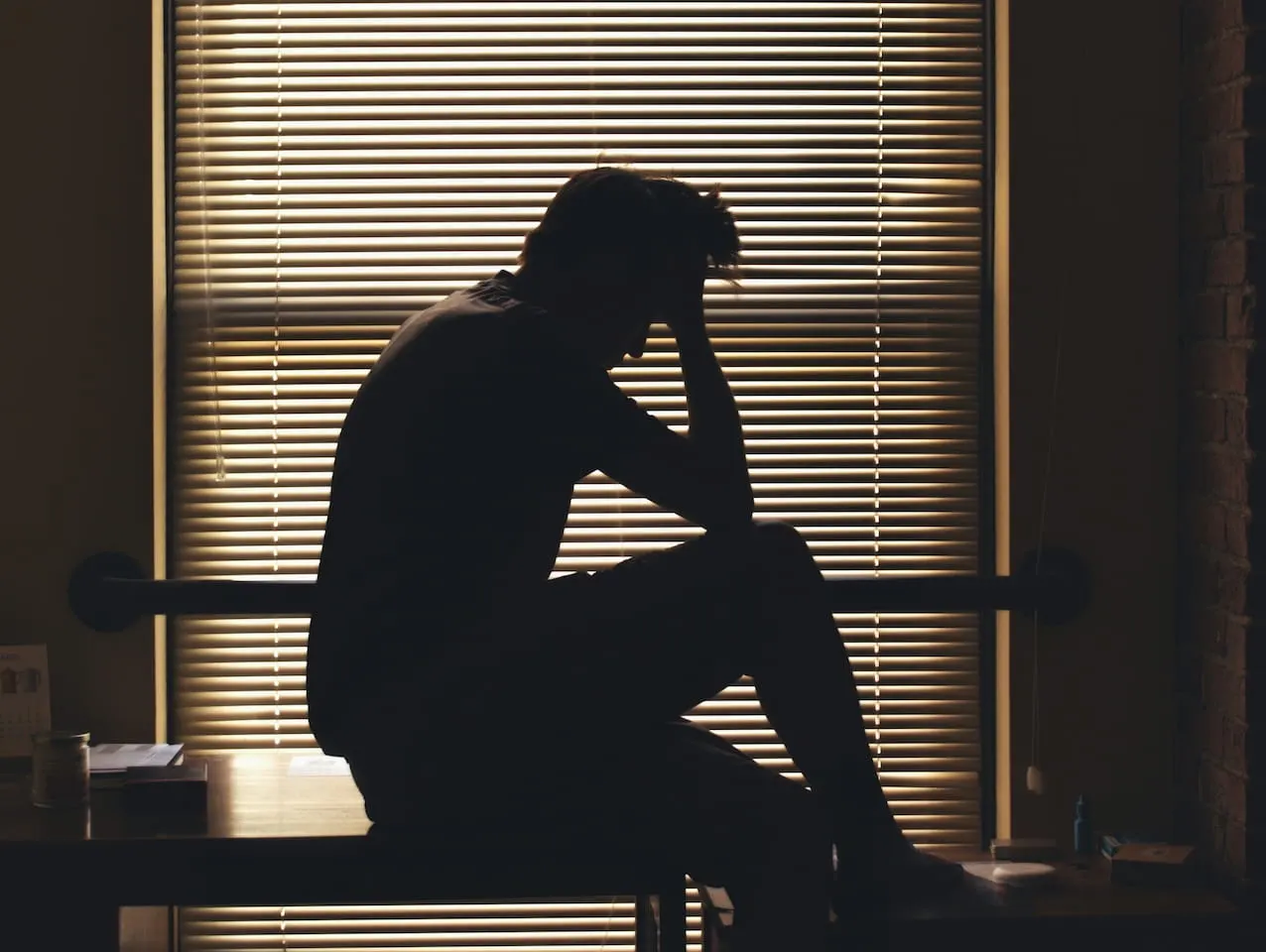
Sex becomes difficult when you’re watching yourself have it.
When part of you splits off mid-intimacy and starts evaluating; Am I hard enough? Do I look okay? Are they bored?
You have left the experience entirely. You’re both participant and critic. This is sexual performance anxiety, and it doesn’t discriminate by gender or sexual orientation. Over time, this can begin to affect not just sex itself, but your confidence, your relationships, and your wider love life.
What is Sexual Performance Anxiety
Sexual performance anxiety is the fear that you won't be able to perform sexually as expected. Getting or keeping an erection, reaching orgasm, not coming too quickly, being aroused enough, responsive enough or good enough. For some, this includes worries about rapid ejaculation, sexual arousal, or a sense of sexual inability that feels frustrating and confusing.

Here's the trap: the anxiety itself creates the problem. Worry interferes with arousal. What starts as "What if I can't perform?" becomes a self-fulfilling cycle. Anxiety makes sex harder. Harder sex makes you more anxious, round and round. Over time, this cycle can contribute to ongoing sexual problems or patterns of sexual dysfunction.

This is also shaped by what we've absorbed about sex – that it should look a certain way, that certain bodies should respond in certain ways, that penetration is what counts. None of these accounts for actual human sexuality in all its diversity.

Common experiences
People experiencing sexual performance anxiety often describe:
-
Feeling anxious or stressed before or during sex
-
Negative thoughts during sexual activity (“I’m not good enough,” “This isn’t working”)
-
Difficulty getting or maintaining an erection, or concerns about erectile dysfunction
-
Rapid ejaculation or difficulty reaching orgasm
-
Avoidance of sex or intimacy altogether
-
Worry about a new partner or a new relationship
-
Poor body image affects your ability to enjoy sex
-
Shame or embarrassment after sex, even when it goes well
Possible causes
Understanding the causes of sexual performance anxiety can help make sense of what feels overwhelming. It rarely has one clear cause but emerges from a combination of psychological, relational, and physical factors.
Psychological factors
Performance anxiety splits your attention. Instead of being present in what’s happening, part of your mind becomes an observer. Researchers William Masters and Virginia Johnson called this “spectatoring“.
The observer watches, evaluates, and judges. Am I hard enough? Am I wet enough? Are they enjoying this? This constant monitoring pulls you completely out of arousal and into self-consciousness. You can’t be in your body and outside of it at the same time.
The anxiety feeds itself. Fear of not performing creates exactly the conditions that make performance difficult. Stress disrupts blood flow, muscle relaxation, and the neurological pathways that support sexual response. What the mind fears, the body enacts.
Sometimes this has roots in earlier experiences – shame around sexuality, messages that sex is wrong or dangerous, past experiences that felt inadequate or painful. These experiences may also overlap with broader mental health conditions such as anxiety or depression. The negative thoughts during sex – “I always fail,” “I’m not attractive,” “They’ll leave me” – become automatic over time.
Relational and social factors
Sexual performance anxiety is deeply relational. It’s shaped by how safe you feel, how well you communicate, and what’s happening emotionally between you and your partner. Unresolved conflicts, poor communication, and a new sexual partner – all of these can heighten anxiety and strain your love life. So can a history of criticism, real or imagined.
Then there are the cultural messages. Men must always be ready. Women should orgasm easily. Sex isn’t “real” unless there’s penetration. These scripts create impossible standards. Pornography and social media compound this – idealised images that bear little resemblance to most people’s actual sex lives. Measuring yourself against them? That’s a recipe for inadequacy and shame.
For LGBTQIA+ individuals, there can be additional layers. Navigating sex outside heteronormative frameworks brings freedom but also uncertainty. Some experience anxiety around disclosure, body dysphoria, or internalised stigma. In some queer communities, particularly among gay and bisexual men, chemsex – using substances like GHB or crystal meth during sex – emerges as a way to manage sexual anxiety. It works until it becomes its own problem.
Physical and medical factors
While sexual performance anxiety is often psychological, physical factors can contribute. Medical conditions such as diabetes, high blood pressure, or hormonal imbalances affect sexual function. Medications – including antidepressants and blood pressure treatments – may reduce libido or interfere with arousal.
Erectile dysfunction and rapid ejaculation can be both causes and consequences of performance anxiety. Substance use, including too much alcohol or illegal drugs, can impair sexual performance. Stress, exhaustion, and poor mental health also affect sexual response.

How therapy can help
Therapy isn’t about forcing your body to perform. It’s about understanding what’s happening beneath the anxiety and rebuilding a less pressured relationship with sex. Cognitive Behavioural Therapy (CBT) addresses the thought patterns that keep anxiety going. You learn to identify negative thoughts, examine whether they’re actually true, and develop ways to overcome sexual performance anxiety.
Mindfulness meditation training teaches you to notice thoughts and sensations without judgement. This interrupts the spectatoring cycle. Instead of watching yourself have sex, you learn to return to the experience: sensation, breath, connection. You feel more control without trying to force anything. These approaches also support emotional regulation and help reduce stress more generally.
Therapy can also explore what’s underneath. Sometimes performance anxiety serves as a defence against vulnerability or deeper intimacy. Working this through can shift not just sex but the whole relationship. Couples therapy can help when communication or relational dynamics are part of the picture. If you’re using substances to manage sexual anxiety, therapy offers space to explore why.
Our Psychosexual and
Relationship Therapists

Lexi Stadlen
Psychosexual and Relationship Therapist

Olivia Mackinder
Psychosexual and Relationship Therapist

Eva Oyon
Psychosexual and Relationship Therapist

Viktoria Szabo
Psychosexual & Relationship Therapist, Psychologist, Counsellor

Elena Ourani
Psychosexual and Relationship Therapist, Integrative Psychotherapist

Amanda Sandeman
Psychosexual & Relationship Therapist, Integrative Counsellor

Damien Frin
Psychosexual and Relationship Therapist

Rea Shahroudi
Psychosexual and Relationship Therapist

Hilton Da Silva
Psychosexual & Relationship Therapist
FAQ
Is sexual performance anxiety only a problem for men?
No. While often discussed in relation to men and erectile issues, sexual performance anxiety affects all genders. Women may experience anxiety about lubrication, orgasm, or body image. Non-binary and trans individuals may face anxiety related to dysphoria or gendered expectations. The manifestations differ, but the underlying experience – fear of not being good enough- is common across genders.
Can therapy help even if the problem seems physical?
Yes. Even when physical causes exist, such as erectile dysfunction or medication side effects, psychological factors often play a role. Addressing the anxiety, thought patterns, and relational dynamics can improve your sexual experience. In many cases, treating the anxiety helps physical symptoms improve as well.
How long does therapy usually take?
There’s no fixed timeline. Some people notice shifts relatively quickly, particularly if the anxiety is situational or recent. For others, especially when longstanding, the work unfolds more gradually. Therapy moves at the pace that feels right for you.
What if I feel too embarrassed to talk about this?
That’s very common, and it’s part of why sexual performance anxiety persists – shame keeps people from seeking support. Therapists in this area hold these conversations with care, without judgement. Many find that naming the issue out loud begins to reduce its power.
Should I come to therapy alone or with my partner?
Either is possible. Some people prefer starting individually, especially if the anxiety feels personal or they want space to understand their own patterns first. Others find it helpful to involve a partner from the beginning. What matters most is what feels supportive for you.

Take the next
step,
when
you’re ready
Whether you’re clear about what you’re looking for or still finding the words, we’re here to help you move forward at your own pace – online or in-person.