
LGBTQIA+ Affirming Therapy
Online & In-person
A relational space for mental health,
intimacy, and connection
Understanding the landscape
LGBTQIA+ affirming therapy recognises that mental health, sexuality, and intimacy are deeply intertwined with minority stress and intersectionality. For many, this includes navigating identity, coming out, or the quiet calculations of when it feels safe to be fully seen. Being queer can carry both vitality and vulnerability.

A space that already understands
Here, your experience doesn’t need to be translated or defended. You are met by therapists who already understand the landscape of LGBTQIA+ life – its tenderness, its risks, its resilience, and its complexity. This is a supportive environment where your experience is taken seriously from the outset by an affirming therapist who works from a culturally competent stance.

What LGBTQIA+ affirming therapy helps with


Some people come to therapy to explore their sexual orientation or gender in a way that feels private, dignified, and unpressured. This may include questioning, exploring identity later in life, or navigating identity struggles shaped by earlier silencing, fear, or lack of representation.
For transgender and gender-diverse people, this can include experiences related to embodiment, transition, recognition, or the emotional impact of being seen – or not seen – by others. These explorations often sit alongside wider questions about safety, belonging, and other identity factors that shape how someone moves through the world.
Coming out is rarely a single event. Many people navigate it repeatedly – across families, friendships, workplaces, and communities – often making careful decisions about visibility and safety.
For some, this includes rejection, distance, or strained family relationships. Others carry grief for relationships that were lost, or for acceptance that never came. Therapy can offer space to process these experiences as part of ongoing mental health support, without minimising their impact.
Anxiety, hypervigilance, chronic stress, low mood, or isolation are common responses to living in environments where discrimination, microaggressions, or social exclusion are present.
These experiences often reflect long-term adaptation – trauma responses shaped by the need to stay alert, self-monitor, or emotionally manage unsafe or invalidating environments.
Some people seek LGBTQIA+ affirming therapy around sexual health concerns, shame linked to pleasure, or difficulty staying present during intimacy. Others notice desire becoming distant, confusing, or charged with pressure.
These experiences can be shaped by earlier messages about sexuality, by trauma, by minority stress, or by relationships where safety felt uncertain. Therapy offers space to explore intimacy and desire without assumptions about what sex should look like, within a clear and supportive therapeutic approach.
Relationship challenges may include anxiety, disconnection, boundary difficulties, or uncertainty – whether in monogamous, non-monogamous, or other non-conventional relationship styles.
Some people are navigating non-monogamy or polyamory and want support in understanding boundaries, attachment, communication, or relationship style. Others are working through relational patterns that feel familiar but unsatisfying, or carrying the emotional labour of holding relationships together in unsupportive environments.
Experiences of discrimination, bullying, violence, or sexual harm can leave lasting impressions on trust, intimacy, and self-understanding.
LGBTQIA+ affirmative therapy holds these experiences carefully, recognising how they may continue to shape the body’s responses to closeness, safety, and connection.
You do not need a diagnosis or a crisis to start psychosexual counselling. Curiosity, uncertainty, or the sense that something deserves attention is enough.

How queer-affirming therapy can help
You might come with questions about identity, or the quiet ache of not quite fitting. Perhaps years of hiding have left their mark, or family relationships feel strained. Maybe intimacy brings up shame you can’t name, or you’ve simply never had a space where you didn’t have to explain yourself first. If any of this resonates, you’re in the right place.
In LGBTQIA+ counselling, your therapist already understands the landscape – minority stress, internalised shame, the complexity of coming out at any age. Many of our therapists are part of the queer community themselves. Queer affirming therapy means you don’t need to educate or explain. The work goes where it needs to: your body, your relationships, and what you want for yourself.
Many clients notice a gradual shift – less self-criticism, more ease in their body, and greater freedom in how they connect with others. Therapy doesn’t change who you are. It helps you relate to yourself with less shame and more choice. Online therapy for LGBTQIA+ people means this support is accessible wherever you are in the UK.
What results to expect from our LGBTQIA+ affirming therapy

Internalised homophobia, transphobia, or shame often sits quietly underneath daily life. It can show up in how you speak about yourself, how you allow others to treat you, and how you feel about your own desires and body. In sexual and relational contexts, shame can make it hard to ask for what you want, to feel entitled to pleasure, or to believe that your needs are as valid as anyone else’s.
In therapy, these experiences are met without judgement, and over time their grip can begin to loosen. Many people describe starting to speak about themselves with more kindness, feeling less pressure to explain or apologise for who they are, and noticing a gradual shift in how they show up in relationships – with less self-erasure and more willingness to be truly known by another person.
Many people arrive carrying years of hypervigilance, scanning rooms, bracing, and self-monitoring without even noticing it anymore. In queer affirming therapy, this ongoing sense of alertness can gradually soften, helping your body feel safer and less on edge in everyday situations. Over time, people often notice they can relax in places that once felt like they required constant awareness and this naturally also impacts on how they relate and their sexual life.
When sex or closeness has felt pressured, distant, or emotionally charged, therapy can help you reconnect with desire in a more grounded way. In LGBTQIA+ affirming therapy, people often begin to stay more present during intimacy instead of slipping into anxiety or self-protection. Over time, intimacy can become something you can explore with curiosity again, on your own terms and feeling more safe in intimacy.
Whether in monogamous, non-monogamous, or other relationship structures, people often find it easier to name what they need and want. In queer affirming therapy, this can include learning how to hold boundaries without guilt and stay present in difficult conversations without shutting down or escalating. Communication starts to feel more honest and less draining.
For those questioning or exploring, this work can support a quieter, more grounded relationship with identity. In therapy, there is space to move at your own pace, without pressure to define everything immediately. Over time, people often feel more anchored in what feels true to them rather than what others expect.
Minority stress can feel deeply isolating, even when you’re not alone. As self-judgement softens in LGBTQIA+ affirming therapy, many people find it easier to reach for connection and let themselves be seen. Relationships can start to feel more reciprocal, and the sense of carrying everything alone begins to ease. It becomes easier to make connections and stay in connection.
Our Psychosexual and
Relationship Therapists

Lexi Stadlen
Psychosexual and Relationship Therapist
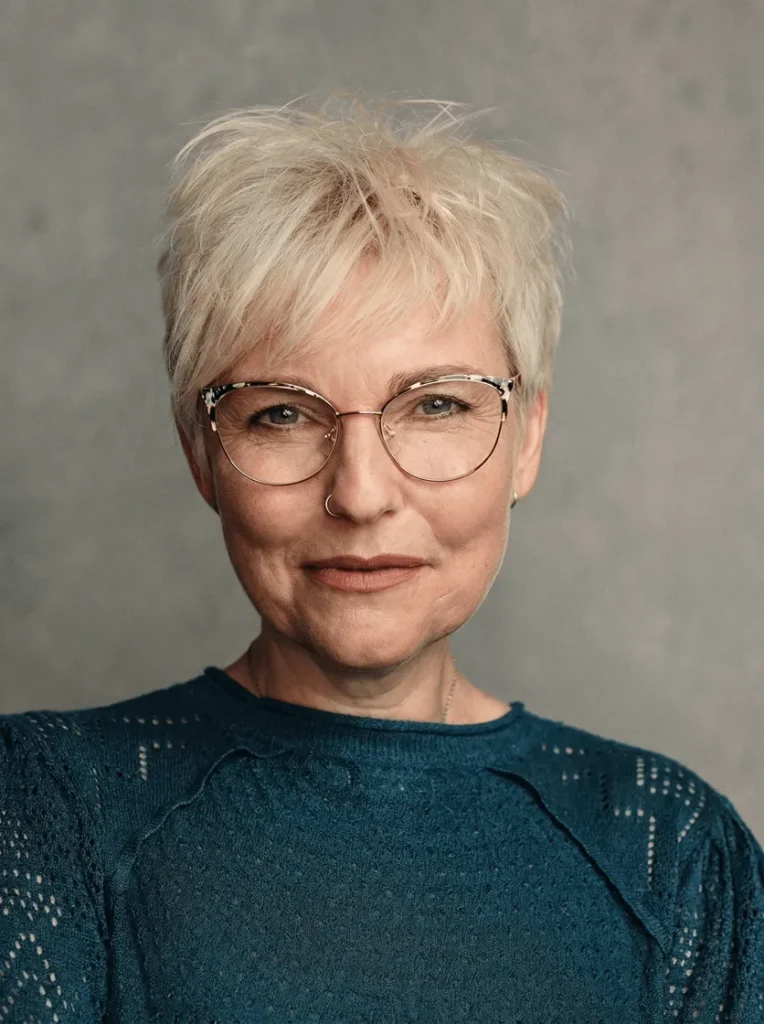
Olivia Mackinder
Psychosexual and Relationship Therapist

Eva Oyon
Psychosexual and Relationship Therapist

Viktoria Szabo
Psychosexual & Relationship Therapist, Psychologist, Counsellor

Elena Ourani
Psychosexual and Relationship Therapist, Integrative Psychotherapist

Amanda Sandeman
Psychosexual & Relationship Therapist, Integrative Counsellor
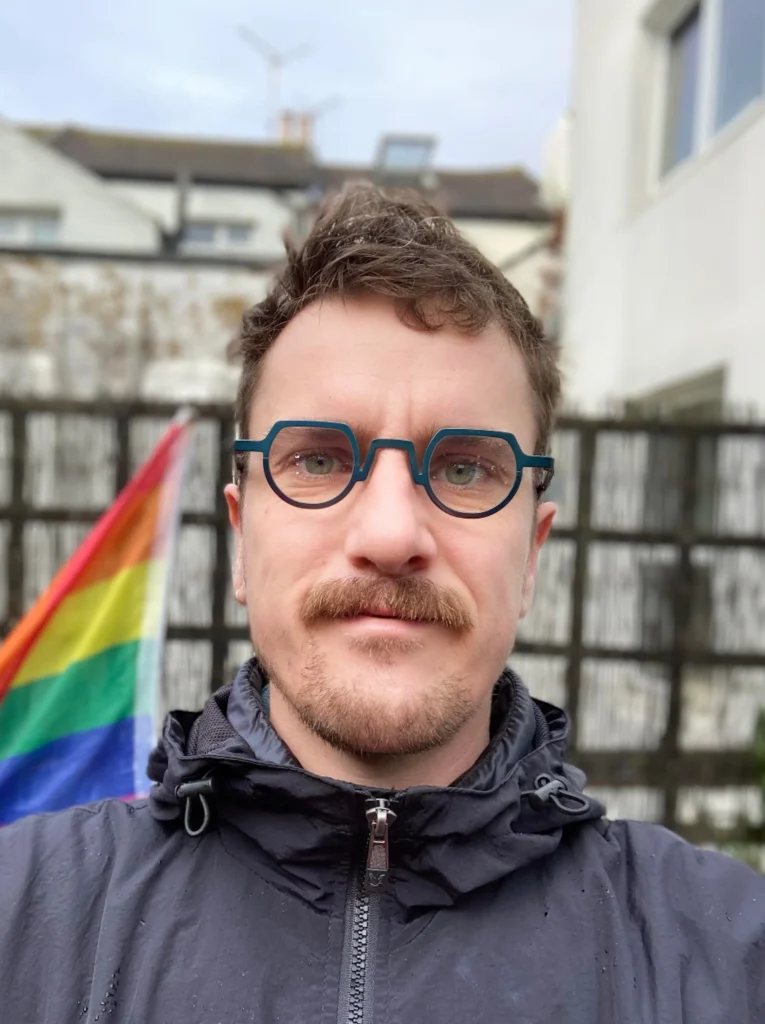
Damien Frin
Psychosexual and Relationship Therapist

Rea Shahroudi
Psychosexual and Relationship Therapist

Hilton Da Silva
Psychosexual & Relationship Therapist
FAQ
Do I need to identify as LGBTQIA+ to work with an affirming therapist?
No. Some people are exploring or questioning, or simply want a space where identity is not assumed. What matters is whether this feels like a place where you can speak honestly and be understood.
Is this therapy political, agenda-driven, or a form of conversion therapy?
No to any of that. Being affirming means being respectful, attuned, and non-assumptive – it’s not about turning your experience into a cause, and it’s the direct opposite of conversion therapy, which tries to change who you are. That approach has no place here and isn’t something we practise, in line with UK professional guidance. This is a space to explore your own experience, not to be steered toward any particular outcome.
Will I have to educate my therapist?
No. Therapists are already informed about queer, bisexual, lesbian, gay, and transgender experiences and the impacts of minority stress. You can focus on your inner life rather than explaining who you are.
Is this queer-affirming therapy suitable for transgender or gender-diverse people?
Yes. Therapists work with transgender and gender-diverse clients with care, respect, and awareness of the social and emotional contexts that shape embodiment and safety.
Will I have to talk about sex?
Only if you want to. Sexuality and intimacy may be part of the work for some people, but it’s not required. You decide what feels relevant.
Can I bring experiences of coming out, family conflict, or internalised shame?
Yes. Whether that’s family rejection, strained relationships, or carrying internalised homophobia or transphobia, these are treated as meaningful parts of your story here, not problems to fix or hurdles to get over. Therapy moves at your pace, with room for ambivalence and not knowing.
What if I don’t have a clear goal?
That is entirely okay. Many people begin simply because something feels complicated or in need of attention. Curiosity is enough.
Can I come with my partner(s)?
Yes. Some therapists work with individuals, couples, and multi-partner constellations. Relationship structures are treated as contexts, not problems.
Do you offer only online LGBTQIA+ affirming therapy or also in-person?
Both. Online sessions are available wherever you’re based, and we also offer in-person sessions in London and Brighton for those who prefer face-to-face support.
How much does LGBTQIA+ affirming therapy cost?
Every therapist at Intima Therapy charges the same fee, whether you’re working individually or with a partner (or partners) – £80 for individual sessions and £120 for sessions involving more than one person. We don’t currently take health insurance. The introductory call is free and confidential, with no obligation to continue afterward.

Take the next
step,
when
you’re ready
Whether you’re clear about what you’re looking for or still finding the words, we’re here to help you move forward at your own pace – online or in-person.