
Psychosexual Therapy
Online & In-person
When sex, desire,
or intimacy feel difficult
Exploring sex beyond performance
Psychosexual therapy, also referred to as sex therapy, offers a space to explore sexual problems with care, curiosity, and empathy. It’s not about performance, techniques, or quick solutions. It’s about understanding how sex, desire, and intimacy are shaped by experience, relationship, and context, and how patterns that once made sense may no longer feel supportive.

Different concerns, shared intention
Some people come with a clear concern or a clear sexual difficulty. Others arrive with a quieter sense that something feels tense, confusing, or disconnected. Both are welcome here. The goal of psychosexual therapy is to improve sex life, enhance intimacy, support healthy sexual function, and foster healthier sexual relationships with oneself and a sexual partner.

What our psychosexual therapy helps with


For many people, sexual difficulty shows up first in the body. Pain, tightness, numbness, anxiety, or involuntary responses can make sex feel stressful rather than connective. This may include experiences such as vaginismus, dyspareunia (pain during sex), vulvodynia, pain during penetration or arousal, ongoing vulval or pelvic pain, anal pain, pelvic floor difficulties, or pain linked to erection – including conditions such as Peyronie’s disease or experiences of priapism.
These experiences can be influenced by many factors, including stress, past medical or sexual health experiences, trauma, hormonal changes, or shifts in the body over time – such as those associated with pregnancy, menopause, or ageing. In many cases, psychosexual therapy forms part of a broader psychological treatment approach that considers both body and mind.
Difficulties with desire are one of the most common reasons people seek a psychosexual therapy service. This might involve low libido, loss of sexual desire, feeling disconnected from desire, or sexual desire discrepancies within a relationship – differences in frequency, initiation, or sexual needs.
Desire is sensitive to context. It can be affected by emotional safety, relationship dynamics, stress, mental health, trauma, hormonal changes (including perimenopause and menopause), medication, and life transitions. For some people, questions about desire are also closely linked to attraction, identity, gaps in sex education earlier in life, or changes in how they experience themselves sexually.
Some people seek therapy because orgasm feels difficult, delayed, absent, or overshadowed by pressure. This can include anorgasmia, rapid ejaculation, delayed ejaculation, or anxiety around timing, performance, and control, all of which sit within a wider spectrum of sexual issues.
These experiences often develop in the context of expectation, self-monitoring, fear of disappointment, or past experiences where sex felt unsafe, rushed, or disconnected. Physical changes, medication, hormonal shifts, arousal difficulties, and emotional factors can also play a role.
Sometimes sex continues, but something essential feels missing. You might feel emotionally disconnected or caught in patterns where sex feels routine, performative, or tense, despite wanting closeness with your sexual partner.
For others, intimacy is longed for, but sex has become a source of conflict, avoidance, or silence. These patterns are often shaped by earlier relational experiences, trauma, communication difficulties, unspoken fears, and ongoing relationship difficulties. Psychosexual therapy supports individuals and couples to explore how closeness, vulnerability, trust, and emotional connection show up within sex itself – while allowing space to link into couple and relationship therapy to work with relationship therapists where deeper relational work is needed.
Some people come to therapy feeling concerned about their sexual behaviour or fantasies – how often sex, fantasy, pornography use, or masturbation is relied on, or the role sexual behaviour plays in coping with stress, loneliness, or difficult emotions. Compulsive sexual behaviour is approached here as a pattern, rather than a moral failing or a lack of willpower.
These patterns often develop in response to emotional pain, trauma, or unmet needs, and may sit alongside secrecy, shame, or risk-taking behaviours such as chemsex. A therapy session provides a confidential and non-judgemental space to explore these experiences safely.
Sexual difficulties sometimes sit alongside questions about sexual orientation, gender identity, or how you experience attraction, intimacy, and power in relationships. You might be exploring parts of yourself that feel uncertain, newly emerging, or difficult to integrate into your sexual or relational life.
Psychosexual therapy can offer a space to explore these questions thoughtfully and at your own pace, often with the support of a qualified sex therapist. Where helpful, this work can connect with more focused LGBTQIA+ affirming therapy or Kink-affirming therapy.

How psychosexual therapy can help
A more relaxed and natural experience of sex and intimacy – psychosexual therapy helps you move away from pressure, overthinking, and “trying to get it right,” towards feeling more present, grounded, and emotionally connected during intimacy with techniques such as sensate focus therapy. Over time, sex becomes less performance-focused and more aligned with comfort and ease in your own body and relationship.
Improved communication and emotional safety in relationships – the therapy supports you to express needs, boundaries, and desires more openly, while reducing misunderstanding, silence, or tension between partners. This often helps couples move out of repetitive cycles of avoidance, conflict, or emotional distance and into more secure connection.
A healthier and more compassionate understanding of yourself sexually – psychosexual therapy helps you reduce shame, self-criticism, and confusion, while making sense of how desire, response, and patterns change over time. This creates a clearer sense of your own needs and values, and a more flexible, accepting relationship with your sexuality.
Who comes to psychosexual therapy?

Sexual difficulties don’t require a relationship to show up. Many people come to psychosexual therapy on their own – navigating sexual aversion or avoidance, a complicated relationship with their own body, compulsive sexual behaviour, low or absent desire, shame around sexuality, or a sense that intimacy has always felt difficult. Some are working through experiences they want to understand before entering a new relationship. Others simply want to feel more at ease with their own sexuality. You don’t need a partner, a diagnosis, or a clear presenting problem to begin.
Whether you are married, in a monogamous relationship, or in an ethical non-monogamous or polyamorous relationship, sometimes the concern feels personal rather than relational – something you want to explore on your own before bringing a partner into the work, or because your partner isn’t ready to attend. Individual psychosexual therapy can be a meaningful starting point even when the difficulties affect the relationship. It offers space to understand your own patterns, desires, erotic template, and responses without the complexity of navigating them with a partner present. If couples work becomes relevant later, that conversation can happen in its own time.
For some couples, sexual difficulties are the primary reason for seeking support – not conflict or communication, but something that has shifted in the sexual relationship and is beginning to affect how partners feel about each other. This might involve differences in desire, avoidance of sex, pain during sex, pressure around intimacy, or a gradual disconnection that’s difficult to name. Psychosexual therapy holds both the sexual and relational dimensions together, with equal attention to each partner’s experience.
Queer, same-sex, trans, and non-binary individuals and couples can find an affirming space for psychosexual work. Our therapists provide LGBTQIA+ affirming therapy to navigate sexual identity, desire, intimacy, and relationship challenges without assumptions about what a “typical” sexuality or relationship should look like. This might include exploring parts of gender or sexual identity, and potential gender dysphoria, that feel newly emerging or difficult to integrate, navigating the impact of internalised shame, or working through vulnerability and sexual difficulties in a space that doesn’t require explanation or justification.
We work with neurodivergent individuals and couples – including those who are autistic, have ADHD, or are otherwise neurodivergent. Sex and intimacy can be shaped by differences in sensory processing, desire, communication, and the way affection is experienced and expressed. One partner may find certain types of touch overwhelming, while the other experiences this as distance or rejection. Psychosexual relationship therapy helps individuals communicate needs and boundaries within their relationship more openly, navigate intimacy differences with greater understanding, and develop a sexual relationship that feels comfortable and authentic for everyone involved.
Life transitions can profoundly alter how we experience our own sexuality. Menopause, post-cancer treatment, post-pregnancy, chronic illness, ageing, or significant loss can all shift desire, body image, physical comfort, and how intimacy feels. Some people find themselves grieving a version of their sexuality they feel they’ve lost; others are discovering something new. Psychosexual therapy offers a space to make sense of these changes – not to restore what was, but to find a relationship with sexuality that feels honest and workable for where you are now.
Our Psychosexual and
Relationship Therapists

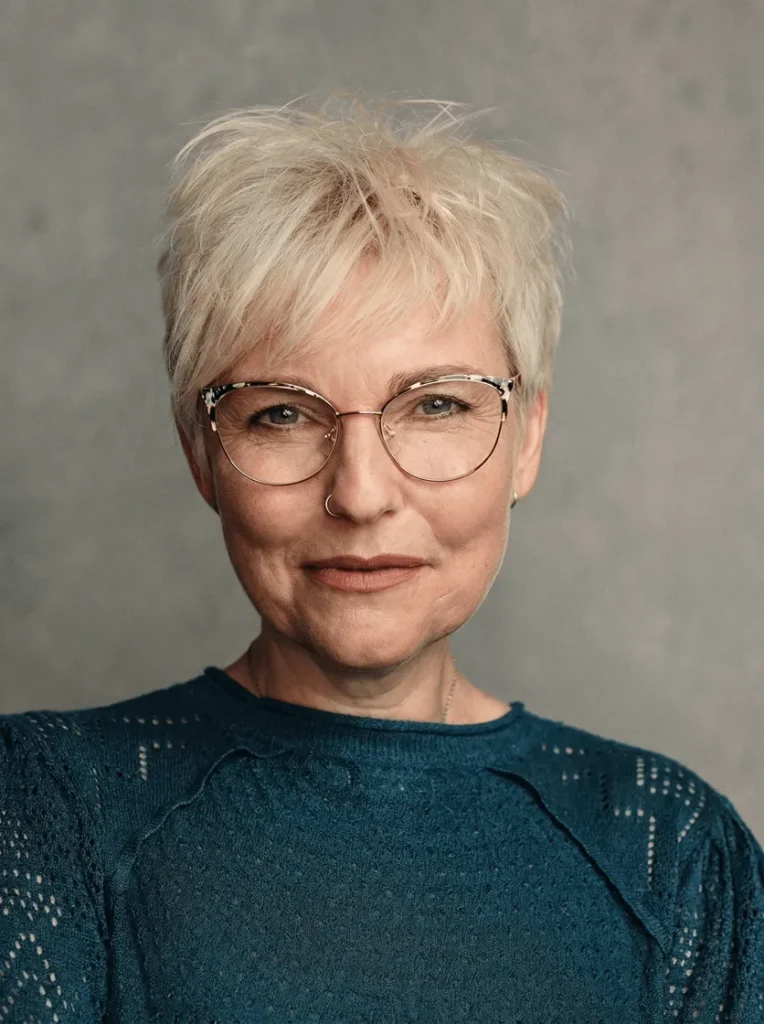
Lexi Stadlen
Psychosexual and Relationship Therapist
Olivia Mackinder
Psychosexual and Relationship Therapist

Eva Oyon
Psychosexual and Relationship Therapist

Viktoria Szabo
Psychosexual & Relationship Therapist, Psychologist, Counsellor

Elena Ourani
Psychosexual and Relationship Therapist, Integrative Psychotherapist
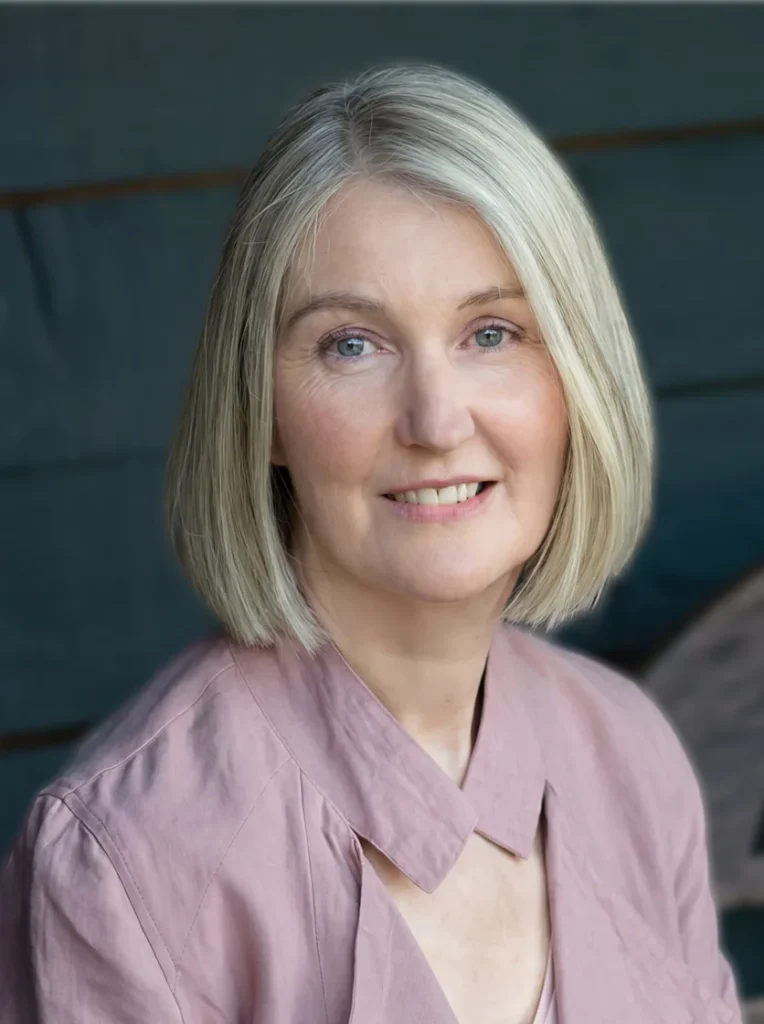
Amanda Sandeman
Psychosexual & Relationship Therapist, Integrative Counsellor
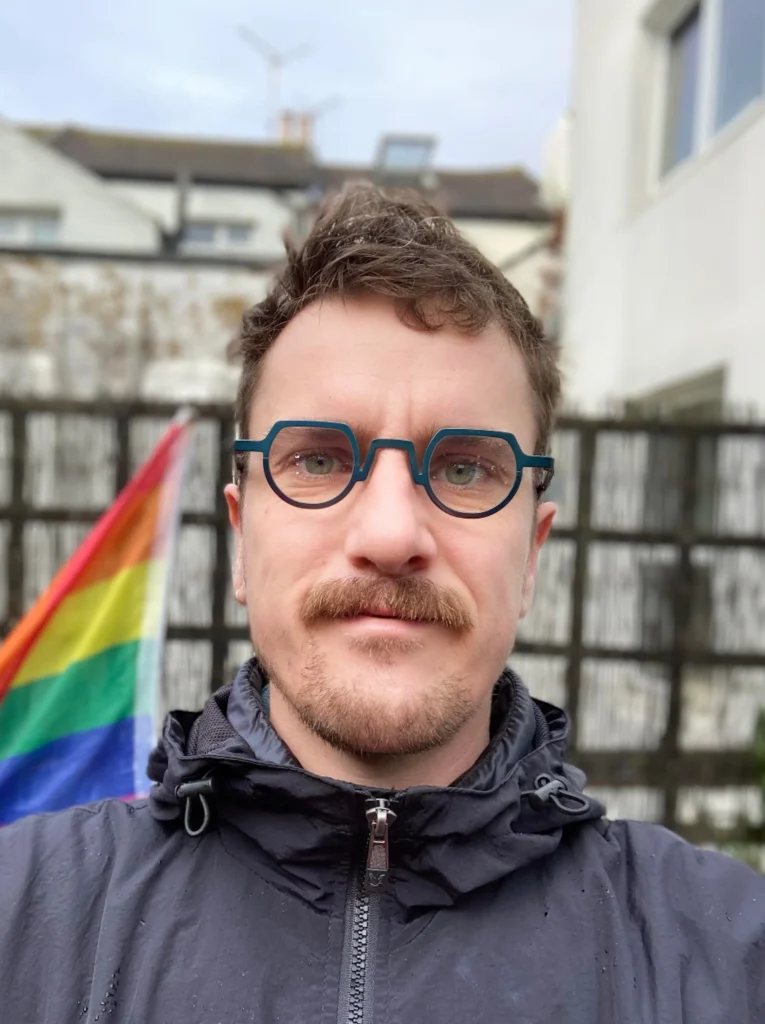
Damien Frin
Psychosexual and Relationship Therapist

Rea Shahroudi
Psychosexual and Relationship Therapist

Hilton Da Silva
Psychosexual & Relationship Therapist
FAQ
Do I need a GP or specialist referral to start?
No. You can reach out directly, whenever you’re ready – there’s no referral needed and no waiting list to join. Some people find their way to us after a conversation with a GP, gynaecologist, urologist, or pelvic health physiotherapist, and that’s welcome too, but it isn’t a requirement here.
Do I need a diagnosis to start psychosexual therapy?
No. Many people come with experiences rather than labels, including concerns about sexual problems or changes in sexual function.
Do I need to come with a partner, or can I start on my own?
Either is fine – it depends on what’s bringing you here. If you’re not sure where to start, beginning with an individual session is usually the simplest route. If your therapist feels it would help to bring your partner in, they’ll raise that with you directly. Even when the difficulty feels relational, starting on your own can still be a meaningful way in.
I'm not sure whether my concern is "really" a psychosexual one. Does it matter?
You don’t need to know in advance. Most people arrive with something that sits somewhere between sex and everything else – the body, the relationship, a life stage, a worry that’s been growing. Part of what the fifteen-minute intro call is for is to work out whether psychosexual therapy is the right place to start, or whether a different focus – couples work, individual therapy – would fit better. If we’re not the right match, we’ll say so.
What happens in the first session?
Your first session is a fifty-minute conversation about what’s brought you to therapy – your history, what’s been happening, and what you’re hoping will feel different. There’s no physical examination and no undressing; it’s talking therapy, and you set the pace on what you’re ready to share. Some nerves beforehand are normal, and most people find they settle once the session gets going.
Is psychosexual therapy explicit?
No. The work is conversational, reflective, and grounded in the principles of informed consent. It is a form of talking therapy. There is no physical contact between the therapist and the client.
How many sessions will I need?
It depends on what you’re working through and how long it’s been building. Some people notice things shifting within the first few sessions; others need longer, particularly where a difficulty has developed over years or sits alongside a relationship pattern. There’s no fixed programme – your therapist will check in with you on pace and progress rather than working to a set number.
Do you offer online therapy, and is it as effective as in-person?
We offer both online and in-person psychosexual therapy, with in-person sessions available in London and Brighton. For most concerns, online works just as well – the trust and rapport between you and your therapist is what drives outcomes, and that translates well over video. Sessions are fifty minutes either way. For a small number of concerns where a physical examination might form part of treatment (some pain presentations, for example), we may suggest a GP or specialist referral alongside therapy.
How much does psychosexual therapy cost at Intima Therapy?
Every therapist at Intima Therapy charges the same fee – £80 for individual sessions and £120 for couples sessions – so your choice is about the right match, not the price. We don’t take health insurance at the moment. The fifteen-minute intro call is free, and you’re under no obligation to book after it.

Take the next
step,
when
you’re ready
Whether you’re clear about what you’re looking for or still finding the words, we’re here to help you move forward at your own pace – online or in-person.